Book a No-obligation Discovery Call





Massive council tax hikes for second homes in Scotland
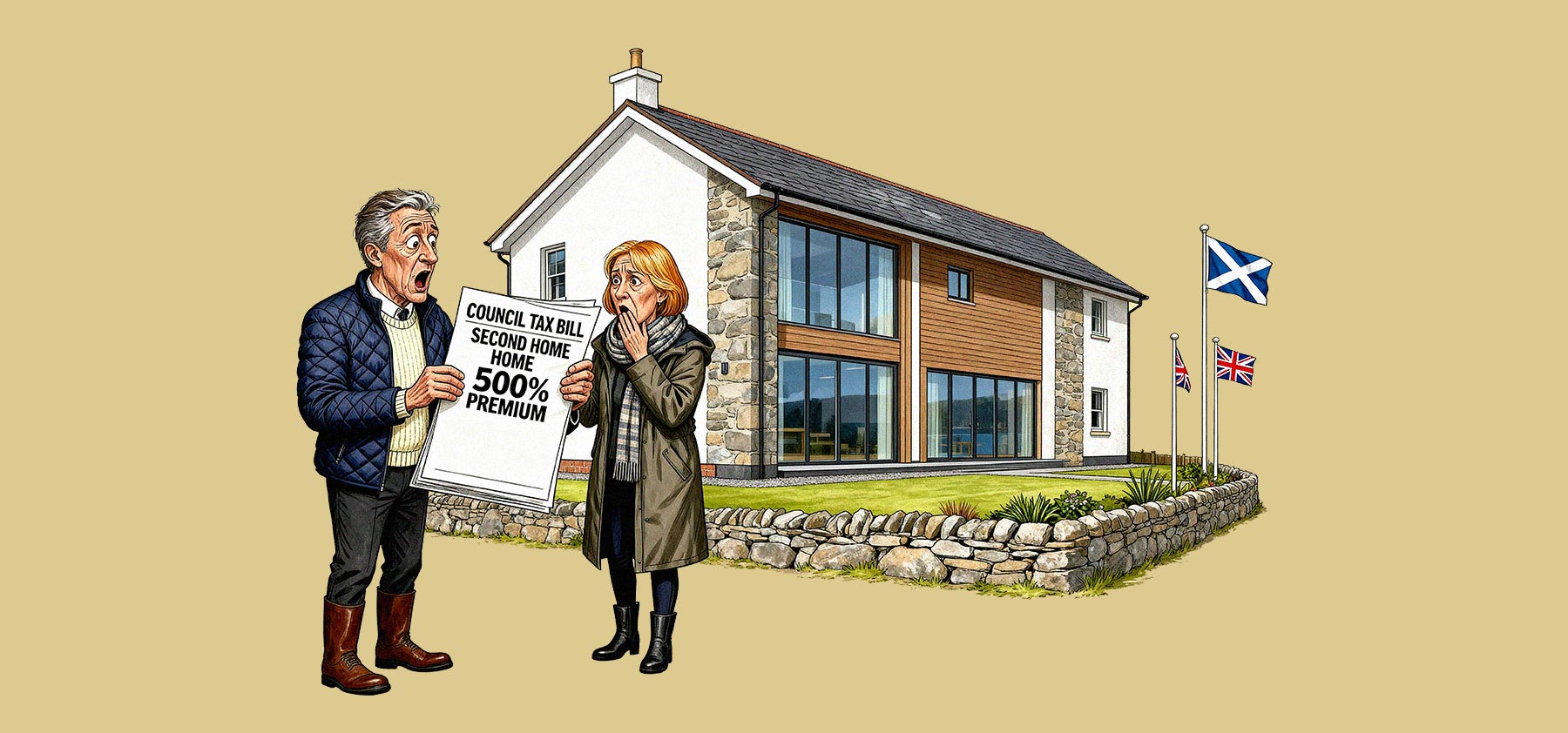
Midlothian Council has introduced a 500% council tax premium on second homes from 1 April. This means some owners now face annual bills up to about £28,000, especially for Band G properties. A typical Band D second home could now cost £14,811 per year.
The premium increases depending on how long the property has been owned:
Under 2 years: double the standard rate
2–3 years: 300% surcharge
Over 3 years: full 500% premium
Empty homes are treated the same way. There are 35 second homes in Midlothian and only two are in Band G. So, this move is only expected to raise circa £200,000 in the 2026–27 financial year. But the council says the goal is behavioural change, not revenue – specifically to discourage second home ownership and free up housing for locals.
Scottish councils now have unlimited powers to set second home premiums. In England they are capped at 100% (double the standard rate), and in Wales it is up to 300%.
Critics argue they worsen the cost-of-living pressures, noting second homes already face an 8% additional dwelling supplement at purchase. The Adam Smith Institute warns extreme premiums could drive away investment and harm local economies.
Stamp Duty nets £307m more in the year since its change
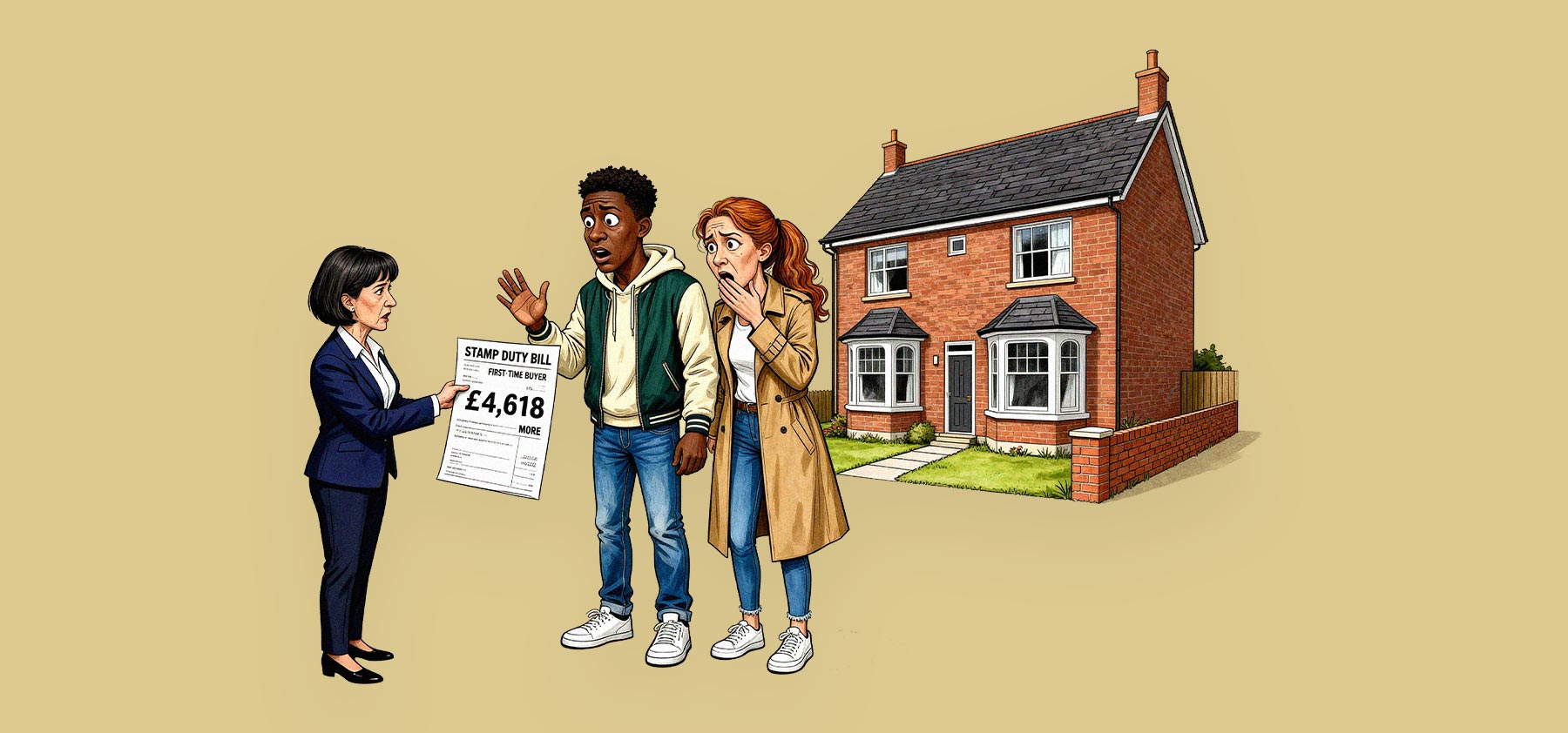
First-time buyers are paying significantly more in stamp duty since temporary tax relief ended in April 2025. Over the past year, they collectively paid £408m in stamp duty – up from £101m the previous year.
The tax-free threshold for first-time buyers dropped from £425,000 to £300,000, increasing upfront costs. On average, buyers now pay about £4,618 more in stamp duty than before.
The change comes at a time when mortgage rates remain high, adding further pressure on new buyers. Over half (53%) of the extra revenue comes from property sales in London, with just under a quarter (23%) contributed from sales in the South East. Many properties in the North East and East Midlands remain below the £300,000 tax-free limit, contributing only 1.3% between them.
Chancellor planning tax changes to attract wealthy back to the UK
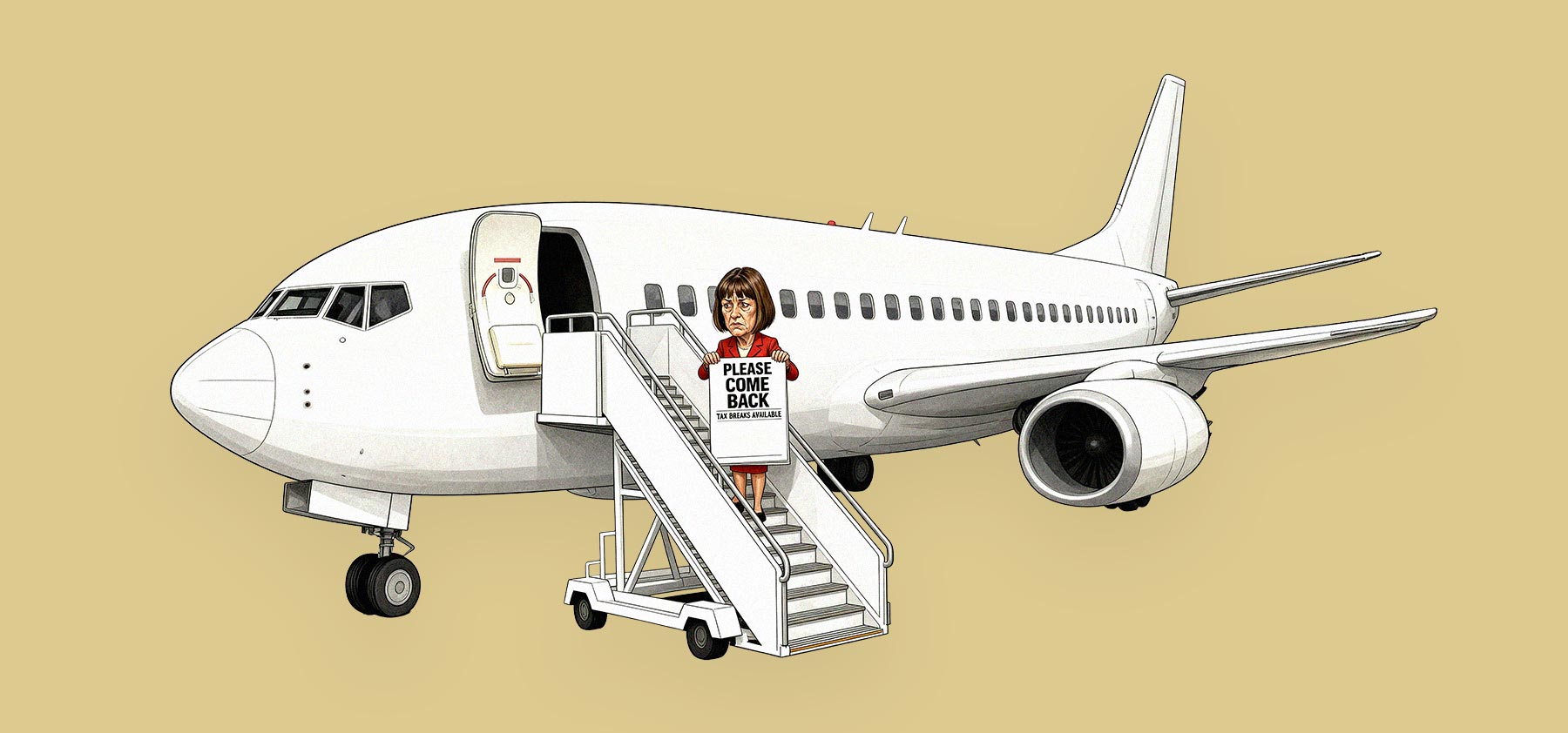
The Chancellor, Rachel Reeves, is preparing a package of tax breaks aimed at high earners, particularly those who left the UK following recent tax rises. The focus is on wealthy residents in Gulf countries, many of whom are reconsidering their location due to instability linked to the Iran conflict.
The government wants to signal that Britain is ‘open for business’ and Ms Reeves has used the recent IMF meetings in Washington to promote the UK as a competitive destination for investment and residency. A senior Treasury official says geopolitical risk is reshaping where people choose to live and invest, and the UK wants to respond strategically.
The Treasury will launch a formal consultation on how Limited Liability Companies (LLCs) are taxed, as this has been a sticking point for potential wealthy arrivals. The review will look at targeted reliefs for new arrivals and possible reforms to offshore structures.
The Chancellor has faced criticism that her earlier tax increases drove millionaires out of the UK. The government hopes these new measures will reverse the exodus and bring high earners back.
178,000 taxpayers missed out on rebates sent by cheque
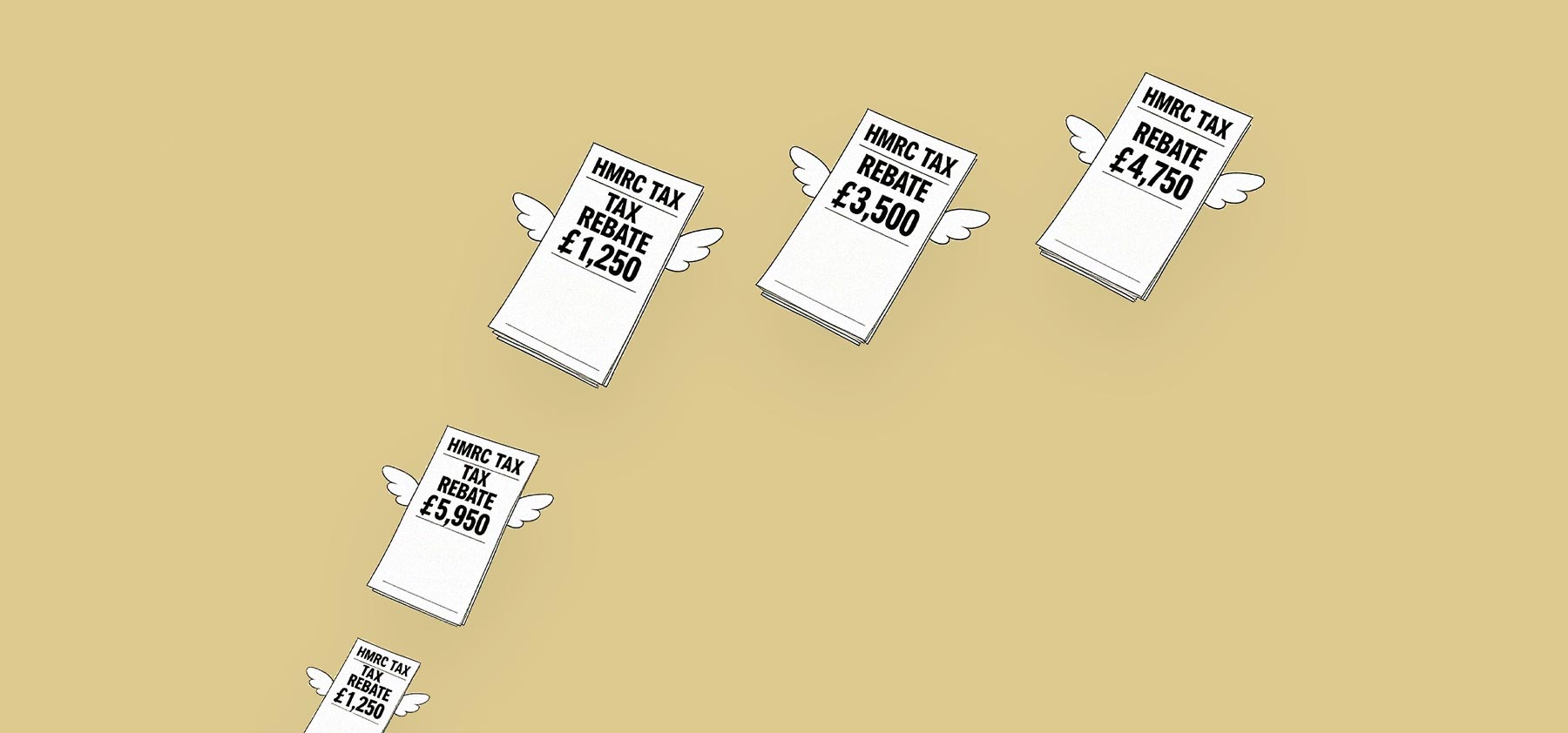
178,000 people didn’t receive tax rebates last year because they never cashed the cheques HMRC sent them. These uncashed cheques were worth £144m in total, averaging about £800 per taxpayer.
HMRC still issues cheques when people don’t respond to rebate letters within 21 days – a legacy process that hasn’t fully adapted to the digital era. 1.74 million cheques were issued last year; although this is fewer than in the past, a significant number still go unclaimed.
HMRC is transitioning to a new system where cheques are only sent if someone specifically requests one. Around 20% of taxpayers are still on the old system, but HMRC aims to complete the switch by April next year.
Overpayments happen for common reasons such as job changes, incorrect tax codes or having multiple sources of income.
If you have an uncashed cheque from HMRC that was issued over six months ago, you will no longer be able to cash it. HMRC says it can be replaced on request.
May Questions and Answers

Q: I’m converting a non-residential property into my new home. I’ve heard that I may be able to use the DIY Housebuilder Scheme but am unsure what it is. Can you explain?
A: This is a scheme provided by HMRC that allows people converting an existing building into a new home to reclaim some of the VAT they’ve paid – mainly on materials used in the project.
It applies to specific types of buildings being converted into residential homes: barns, old churches, schools, warehouses and business premises.
VAT on building materials can be a substantial cost, so knowing how to apply correctly – and what qualifies – can significantly reduce the overall budget of a conversion project. Claims need to be made within six months of project completion.
Q: The new tax year has seen my council tax rise significantly. Is there anything I can do to reduce my bill?
A: Council tax bills in England have risen by an average of 4.9% this tax year. The typical Band D bill now stands at £2,392 per year, which is £111 more than last year. So, the first thing you can do is check that your property is in the correct band.
Are your neighbours’ properties similar to yours, but in a lower band? Are you in the same band but your property is smaller? If so, you could challenge your property’s band. The process is quite involved and could result in your band increasing, so should be researched thoroughly first.
Also, councils offer several types of concessions on council tax for situations such as:
you are the sole occupant of the property,
only full-time students occupy the property,
your property has been adapted to meet the needs of a disabled person,
you, or a person you live with has a severe mental impairment.
It is worth checking with your local council to see exactly what criteria need to be met for the above.
Q: Can I pass on recently inherited cash (£10k) from my mum to my kids as a gift from surplus income (as I don’t need it), and avoid inheritance tax?
A: I’m afraid that you cannot treat a £10k inheritance as ‘surplus income’. Money received from a will is capital, not income. The ‘normal expenditure out of income’ exemption only applies to regular income (pensions, salary, investment income).
What you can do with the inheritance is use your £3k annual gifting allowance, plus any unused allowance from the previous tax year. Anything above this becomes a Potentially Exempt Transfer (PET) which fall outside your estate if you survive seven years after gifting.
You could ask for a Deed of Variation, whereby you redirect part of your inheritance within two years of death. This would treat the gift as coming from your late mother’s estate, not you. All affected beneficiaries must agree in order for this to be actioned.
May Key Dates

1st
– Corporation Tax payments are due for companies with a year-end of 31st July.
19th
– For employers operating PAYE, this is the deadline to send an Employer Payment Summary (EPS) to claim any reduction on what you’ll owe HMRC, as well as the Final Payment Summary (FPS) for the previous tax year.
– It is also the deadline for employers operating PAYE to pay HMRC by post, for April.
22nd
– Deadline for employers operating PAYE to pay HMRC electronically, for April.
31st
– Corporation Tax Returns (CT600 form) are due for companies with a year-end of 31st May.
– It is also the deadline for providing P60s to employees for the 2025-26 tax year.
 Book a Free Discovery Call