Book a No-obligation Discovery Call





HMRC alert for the self-employed ahead of January deadline
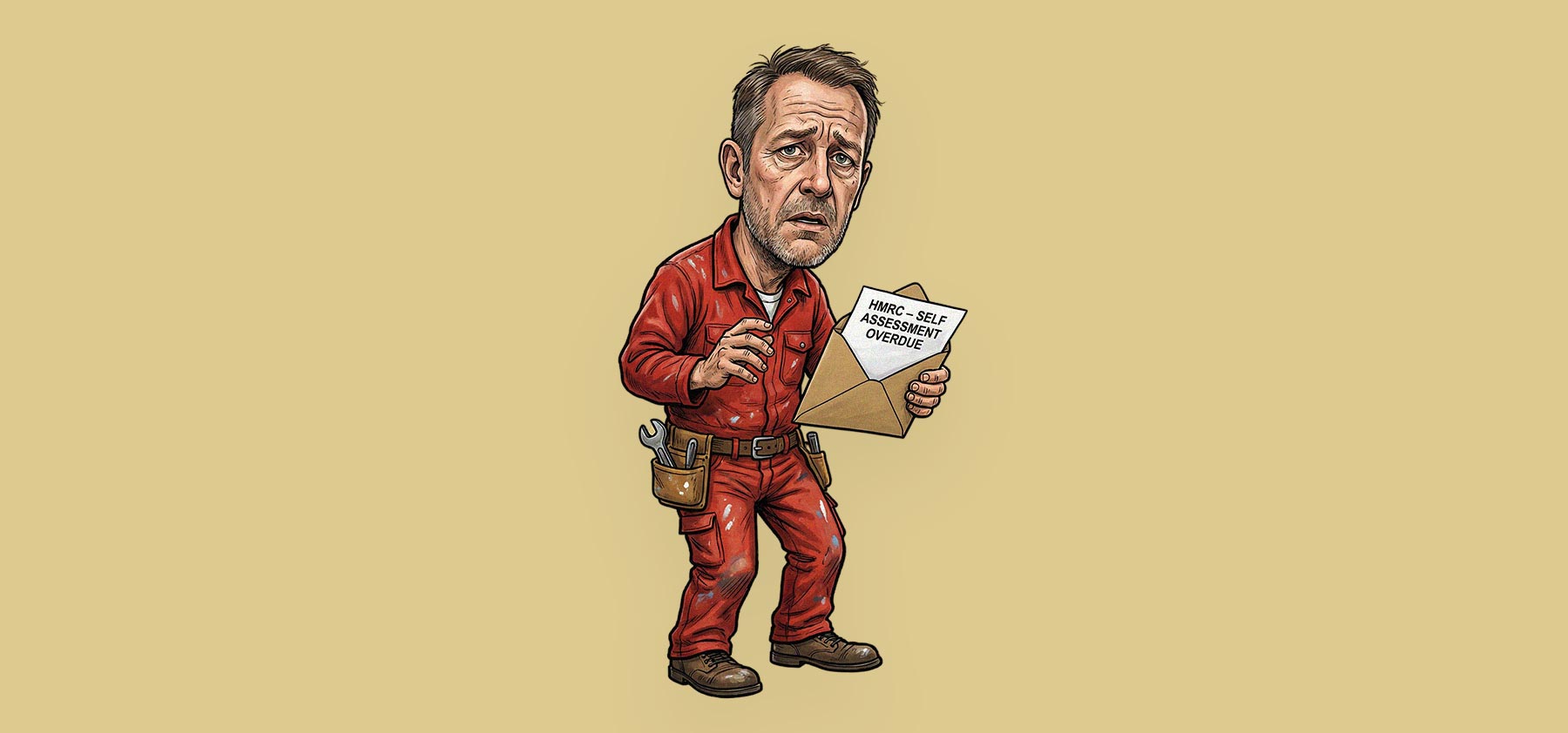
It’s that time of year again! If you are required to submit a self-assessment tax return online, you must do so by January 31, declaring your income for the tax year ended April 5, 2025. You must also pay all the tax that you owe by that date.
HMRC has reached out to SA taxpayers to remind them that it allows them to spread their liabilities over monthly instalments, if their tax bill doesn’t exceed £30,000. You do this by submitting your return first, then set up a payment plan online using HMRC’s ‘Time to Pay’ service.
There have already been 18,000 payment plans set up this tax year, and HMRC says that it provides flexibility for people, allowing them to schedule payments according to their circumstances and avoid the stress of finding money to pay the whole bill at the end of January, when finances may be tight.
Chancellor clarifies tax change on state pension
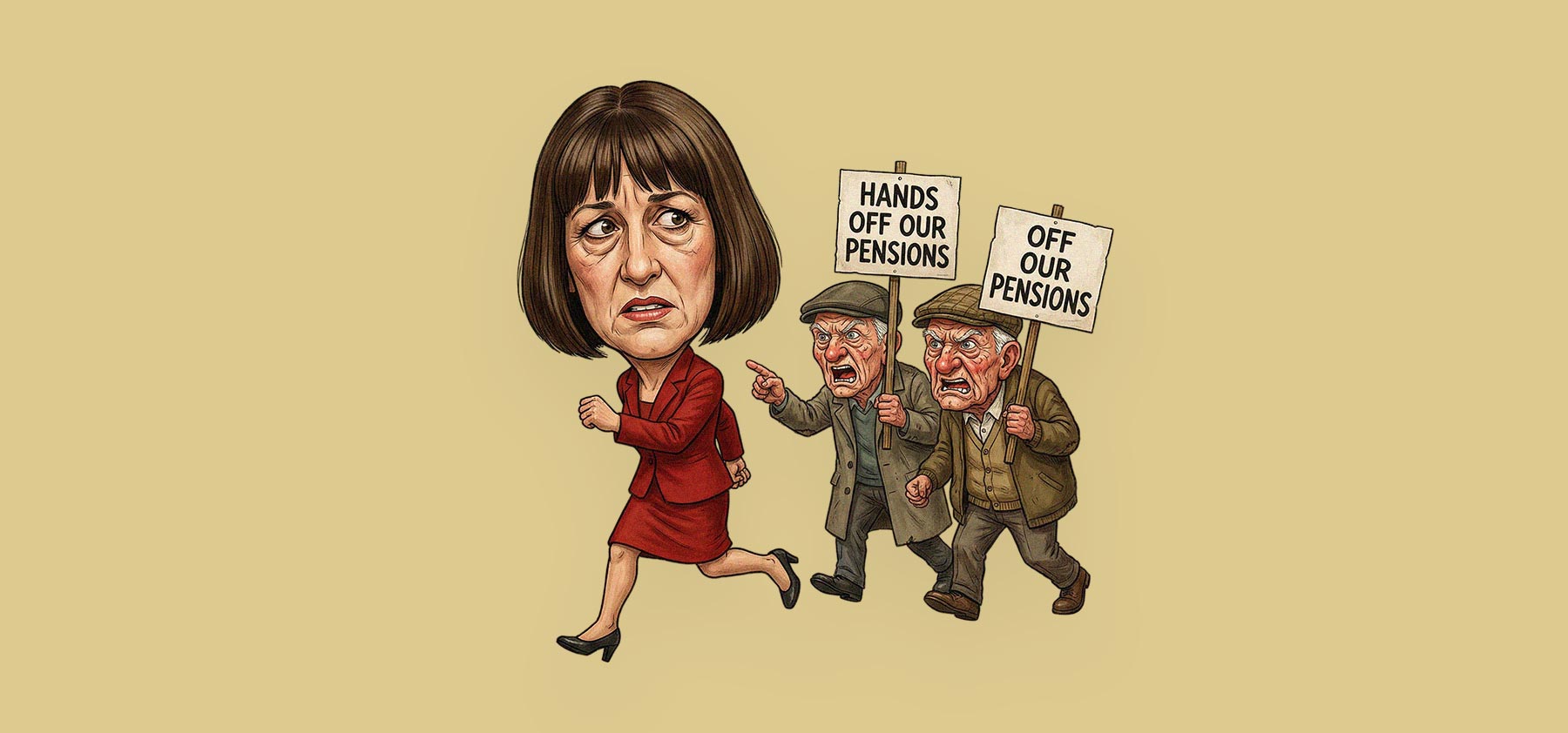
Following the Autumn Budget, the Chancellor has had to clarify what she meant when she said that nobody would pay tax on their state pension despite it certainly being higher than the personal allowance by April 2027.
From April 2026, the new state pension will be about £20 below the frozen personal allowance. Due to that freeze and the triple lock guarantee, the state pension will grow to exceed £12,570 from April 2027 and so be liable for tax. However, Rachel Reeves has now clarified that pensioners relying solely on the state pension will not have to pay tax on the amount that exceeds the personal allowance.
This has come as a relief for older people. But some have called it ‘inter-generational unfairness’, as working people on modest incomes won’t have the same benefit when they are dragged into a higher tax band due to the freeze on the personal allowance. The Chancellor did acknowledge that she is ‘asking ordinary people to pay a little bit more’.
Bank of England at odds with Chancellor’s claims on impact of tax rises
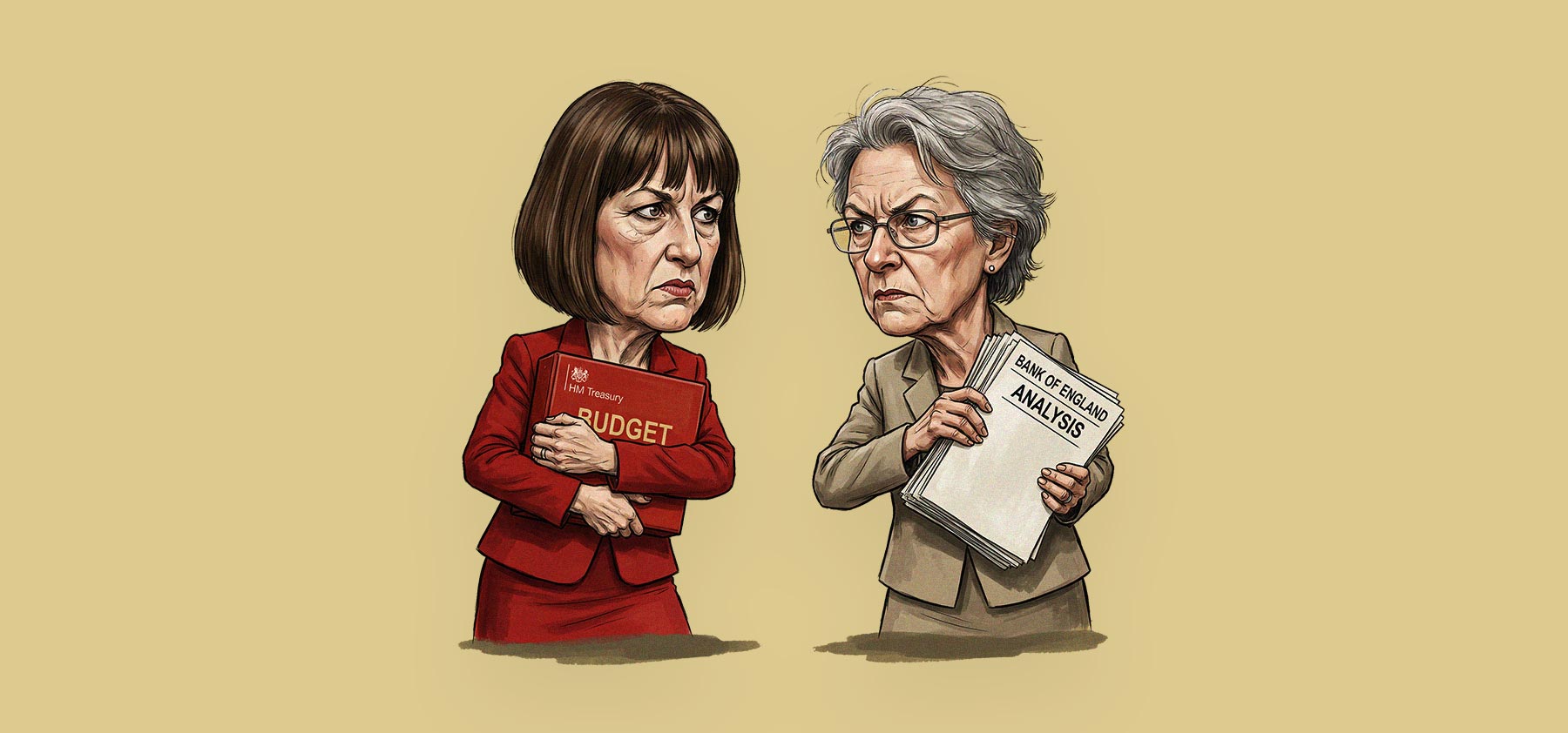
Catherine Mann, a rate-setter on the Monetary Policy Committee, told MPs that Rachel Reeves’s policies – specifically the £26bn National Insurance tax increase and higher minimum wage – have slowed hiring. According to Bank of England analysis, about half of firms are reducing headcount to manage higher costs despite other options like cutting margins, automating roles and finding other efficiency savings.
Rachel Reeves rejected claims of a link between her tax rises and unemployment. She highlighted that 329,000 jobs were added this year and pointed to government initiatives like the youth guarantee.
However, figures from hiring platform Indeed indicate that the UK is the only large European nation to have suffered a drop in hiring for low-paid jobs since the pandemic. It is believed that the recent increase to the national living and minimum wages will continue to see a drop in lower-paid roles.
300,000 workers affected by scrapping of work-from-home tax relief
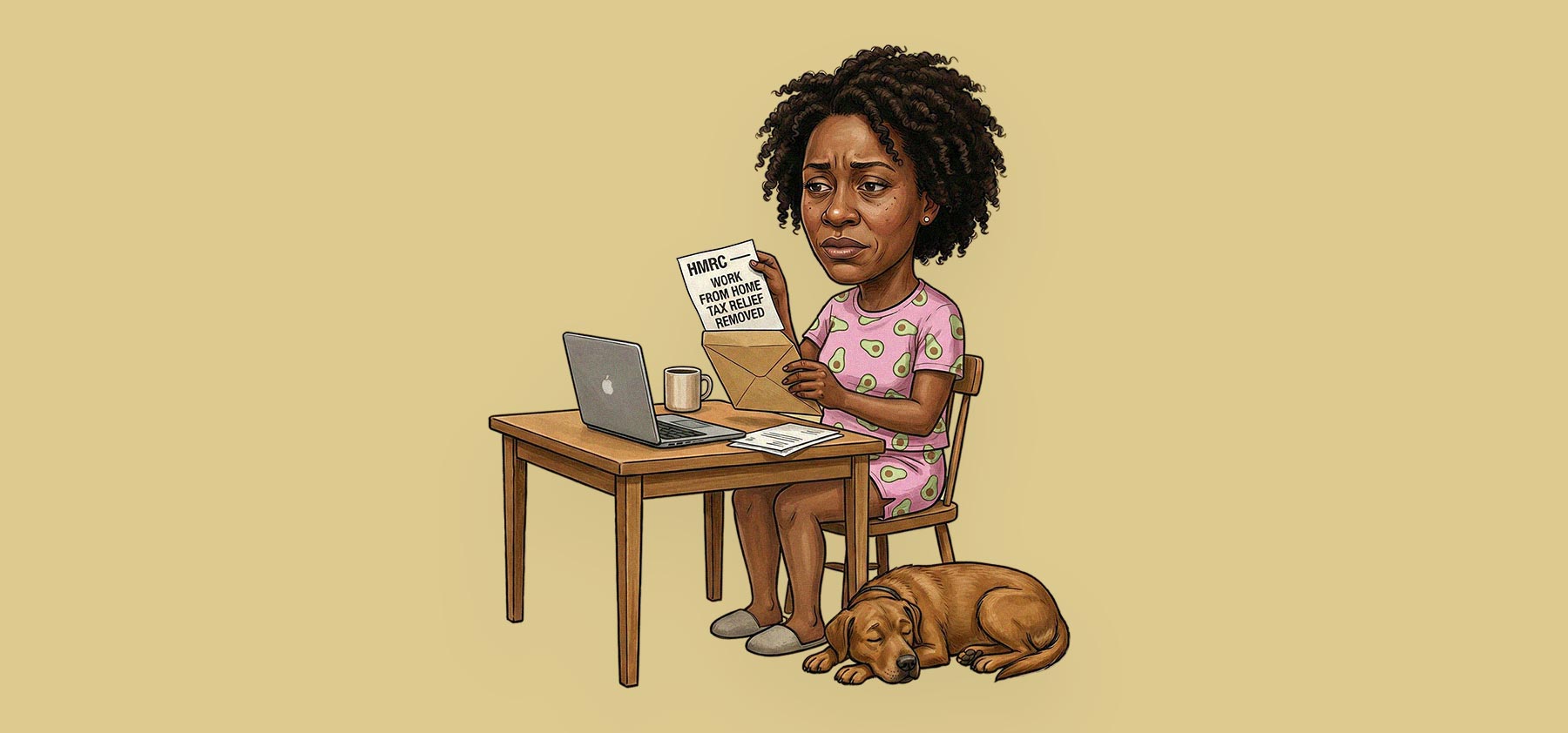
Workers can currently claim either a flat £6 weekly allowance or actual additional costs, with claims backdated up to four tax years. From April 2026, employees will no longer be able to claim the £6 per week tax relief for home-working expenses. HMRC says the change is to address non-compliance – over half of claims checked were found to be ineligible. It is aiming to ensure fairness across the tax system.
HMRC estimates that around 300,000 employees will be affected by this change, resulting in basic rate taxpayers paying about £62 more per year, and higher rate taxpayers about £124 more.
However, employers can still reimburse home-working costs tax-free (no income tax or National Insurance deductions). So, businesses may need to decide whether to cover costs directly or risk losing staff who can’t afford remote work.
January Questions and Answers

Q: As the limit to investing in cash ISAs is being cut, can I buy cash in a stocks and shares ISA to maintain the tax-free benefit?
A: It was announced in the Autumn Budget that, from April 2027, the cash ISA allowance will drop to £12,000 for under-65s. It is hoped that this will encourage more to invest in stocks and shares ISAs (up to £8,000 per year). Whilst you can hold cash inside a stocks and shares ISA you might lose the tax-free benefit. HMRC has stated that it may impose a 20% levy on interest earned from cash held in a stocks and shares ISA. This is intended to stop savers from bypassing the reduced cash ISA allowance announced in the Budget.
Q: Can you help me to understand what the impact will be on my take-home pay and pension of the salary sacrifice changes announced in the Budget?
A: At present, the salary sacrifice scheme works by you giving up part of your salary for your employer to pay it into your pension. This means that both you and your employer avoid paying income tax and National Insurance (NI) on that portion. From April 2029, the NI benefit will be capped at £2,000 meaning contributions above this will lose the NI saving (but still receive the income tax relief). This will result in a reduction to your take-home pay. It may also affect how much your employer contributes to your pension as they, too, will be impacted by the cap. The change is a long way off, so it is worth continuing with it, especially if you are a high earner. But please get in touch and we can discuss your personal circumstances in detail to see how the cap will affect you.
Q: I was thinking of deferring getting my state pension, so that I get more later. Are there any tax implications to this, post the Budget announcements?
A: The Chancellor confirmed that retirees whose only income is the state pension will not pay income tax for the rest of this parliament, even though pension payments will rise above the tax-free threshold in 2027. However, the Treasury clarified that this exemption applies only to the standard state pension without increments. Those who defer their pension (and thus receive higher payments) will not qualify. Deferring increases the pension by approximately 1% every nine weeks (about 5.8% per year), adding about £13.35 per week. If you are eligible in 2026/27 but defer by one year, you would pay £828 in tax by 2030, compared to £0 if you had claimed on time. Deferring the UK state pension used to be a way to boost income, but under the new rules it now risks triggering tax charges that wipe out much of the benefit.
January Key Dates

1st
– Corporation Tax payments are due for companies with a year-end of 31st March
19th
– For employers operating PAYE, this is the deadline to send an Employer Payment Summary (EPS) to claim any reduction on what you’ll owe HMRC.
– It is also the deadline for employers operating PAYE to pay HMRC by post, for December.
22nd
– Deadline for employers operating PAYE to pay HMRC electronically, for December.
31st
– Corporation Tax Returns (CT600 form) are due for companies with a year-end of 31st January.
– It is also the deadline to submit your online self-assessment tax return (if you are required to do one) for the tax year ended 5th April 2025, and to pay HMRC any tax owed.
 Book a Free Discovery Call